





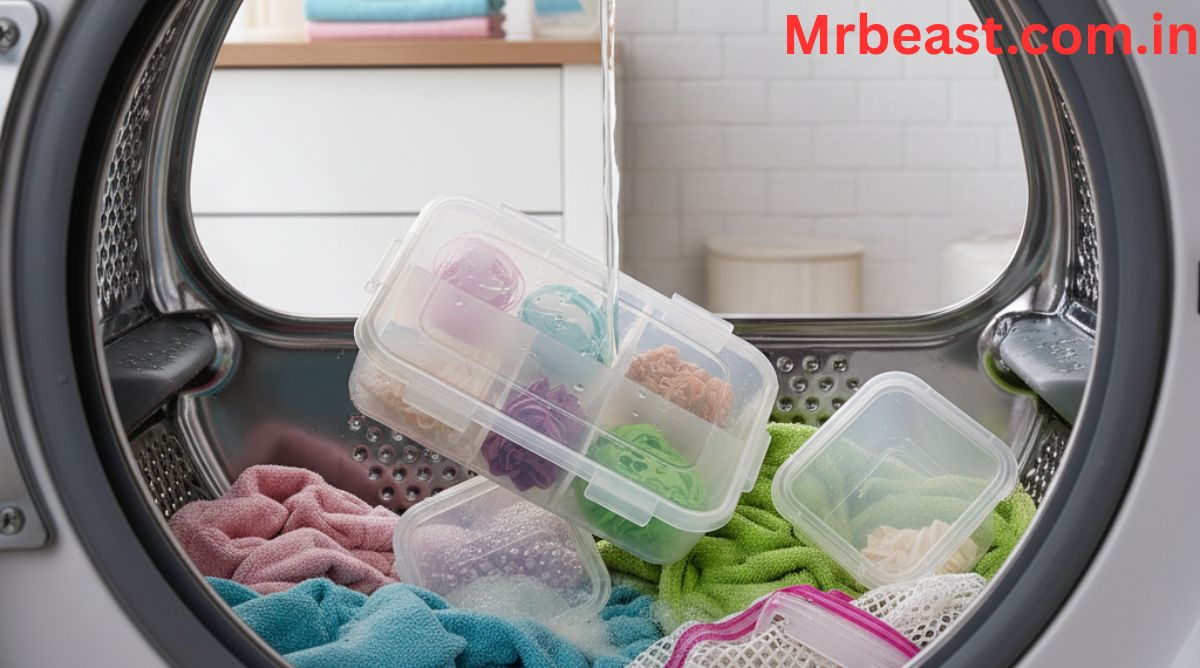
Lunch boxes are an essential part of daily life — whether you’re packing food for school, work, or travel. Over time, though, they can get dirty, smelly, and even moldy from food residue or spills. A common question people ask is: “Can you wash a lunch box in the washing machine?”
The short answer is: It depends on the type of lunch box. Some soft fabric or insulated lunch boxes can handle a gentle cycle, while others — especially those with metallic insulation or plastic lining — should be hand-washed.
This detailed guide will help you understand which lunch boxes can be machine washed, how to wash them safely, what materials to avoid, and the best cleaning tips to keep your lunch box fresh and long-lasting.
For a general overview of how washing machines work, check out Washing machine (Wikipedia).
Understanding Different Types of Lunch Boxes
Before you throw your lunch box into the washing machine, it’s important to know what material it’s made from. Different materials react differently to water, detergents, and spinning cycles.
1. Fabric Lunch Boxes
These are often made of nylon, polyester, or canvas. Fabric lunch boxes may include foam or plastic insulation inside to maintain temperature.
- ✅ Machine-washable: Usually safe on gentle cycle.
- ⚠️ Caution: Air-dry only; high heat can melt or warp insulation.
2. Insulated Lunch Boxes
Insulated models use multiple layers, including a reflective inner lining (often aluminum or vinyl), foam padding, and outer fabric.
- ⚠️ Partially machine-washable: If the label says so, wash gently. Otherwise, hand wash to protect insulation and seams.
3. Hard Plastic Lunch Boxes
These include bento-style containers and rigid lunch cases.
- ❌ Not machine-washable: The tumbling and heat can crack plastic or damage seals. Hand wash or use a dishwasher instead.
4. Metal or Stainless Steel Lunch Boxes
Common in eco-friendly or adult lunch sets.
- ❌ Do not wash in washing machine: These are best hand-washed with warm, soapy water to avoid dents and scratches.
5. Soft-Sided Cooler Bags
Larger lunch bags designed for picnics or worksite use.
- ✅ Some are machine-washable: Especially those made from heavy-duty polyester, but check the care label first.
Step 1: Check the Manufacturer’s Label
Every lunch box comes with a care label or tag, usually found inside or underneath the lid.
The label may include icons such as:
- Machine wash (tub symbol)
- Hand wash only (hand in water symbol)
- Do not tumble dry (square with a circle crossed out)
If your label clearly says “machine washable”, you’re good to go — but always follow the manufacturer’s specific temperature and detergent recommendations.
If there’s no label, it’s safest to hand wash to avoid accidental damage.
Step 2: Prepare the Lunch Box for Washing
Before placing the lunch box in the washing machine, prepare it properly to prevent damage or unpleasant results.
Preparation Tips:
- Empty all contents: Remove utensils, containers, ice packs, or removable inserts.
- Shake out crumbs: Turn the lunch box upside down to remove debris.
- Pre-treat stains: Use mild dish soap or stain remover on oily or food-stained areas.
- Close zippers and Velcro: This prevents snagging or tearing during the cycle.
- Use a laundry bag: Place the lunch box inside a mesh laundry bag or pillowcase to protect it during the wash.
Step 3: Choose the Right Washing Machine Settings
If your lunch box is machine-safe, using the correct settings is key to preserving its structure and color.
Best Settings:
- Cycle: Gentle or delicate
- Water temperature: Cold or lukewarm (never hot)
- Detergent: Mild liquid detergent (avoid bleach or fabric softeners)
- Spin speed: Low
Avoid washing your lunch box with heavily soiled clothes or towels, as lint and dirt can transfer.
Step 4: Air-Dry the Lunch Box Properly
Never use a dryer for your lunch box. The heat can melt insulation, shrink fabric, or warp plastic components.
Best Drying Practices:
- Hang the lunch box upside down in a well-ventilated area.
- Leave all zippers and compartments open for airflow.
- For faster drying, place it in sunlight for a few hours (but not too long, as UV rays can fade colors).
Drying thoroughly prevents mold and odor buildup, which is especially important for insulated or lined boxes.
Step 5: Hand-Washing as a Safe Alternative
If you’re unsure whether your lunch box can handle a washing machine, hand-washing is the safest method.
How to Hand Wash a Lunch Box:
- Fill a basin with warm water and add a few drops of mild dish soap.
- Use a soft sponge or cloth to gently scrub both inside and outside surfaces.
- Pay attention to corners and seams, where crumbs and spills often accumulate.
- Rinse thoroughly with clean water.
- Towel-dry and air-dry completely before storing or using again.
This method works best for insulated and metal lunch boxes.
Step 6: Removing Stubborn Stains and Odors
Food spills can leave unpleasant smells or discoloration in your lunch box. If regular cleaning doesn’t remove them, try these natural cleaning methods:
1. Baking Soda Paste
- Mix baking soda with a little water to form a paste.
- Apply to stained areas and let sit for 15 minutes.
- Scrub gently and rinse.
2. Vinegar Rinse
- Mix one part white vinegar with two parts water.
- Wipe the interior with a soft cloth dipped in the mixture.
- Rinse and air dry — vinegar helps neutralize odors naturally.
3. Lemon Juice and Sunlight
- Rub lemon juice on the stained area.
- Leave in sunlight for a few hours — the natural bleaching effect helps remove stains and smells.
Avoid using bleach or harsh chemicals, as they can degrade fabric, affect insulation, and leave toxic residue.
Step 7: Cleaning the Zippers and Seams
Zippers and seams often trap crumbs, sauces, or sticky residues.
- Use a toothbrush or cotton swab dipped in soap and water to clean them.
- For tough grime, use a small amount of white vinegar to dissolve buildup.
- Rinse and dry completely to prevent rust or mold around metal parts.
Keeping zippers clean helps maintain the structural integrity and appearance of your lunch box.
Step 8: How Often Should You Wash Your Lunch Box?
It’s best to clean your lunch box at least once a week, or more often if spills occur.
Recommended Cleaning Schedule:
- Daily: Wipe interior with a damp cloth after each use.
- Weekly: Deep clean via hand wash or gentle machine wash.
- Monthly: Deodorize with baking soda or vinegar rinse.
Consistent cleaning not only keeps your lunch box hygienic but also extends its lifespan.
Step 9: How to Maintain Your Lunch Box Long-Term
Proper care keeps your lunch box fresh and functional for years.
Maintenance Tips:
- Never store food overnight: Moisture can cause bacterial growth.
- Always dry before storing: Trapped moisture leads to mildew.
- Avoid harsh detergents: They can damage fabric coatings and color.
- Keep it open after cleaning: This allows ventilation and prevents odor buildup.
- Use reusable food containers: Reduces mess and prevents direct contact with the lining.
A little maintenance goes a long way in keeping your lunch box safe and pleasant to use.
Step 10: When to Replace Your Lunch Box
Even with good care, lunch boxes eventually wear out. Signs it’s time for a replacement include:
- Persistent odors even after cleaning
- Torn seams or broken zippers
- Cracked plastic or peeling insulation
- Mold growth inside the lining
If any of these issues persist, replacing your lunch box ensures your food stays safe and fresh.
Common Mistakes to Avoid
To make your lunch box last longer, steer clear of these cleaning mistakes:
- ❌ Using boiling water or bleach
- ❌ Tossing metal or insulated boxes in the dryer
- ❌ Ignoring the care label instructions
- ❌ Storing the box while damp
- ❌ Using abrasive scrubbers on vinyl or plastic linings
These habits can damage your lunch box or reduce its ability to insulate properly.
Final Thoughts
So, can you wash a lunch box in the washing machine? The answer depends entirely on the material and manufacturer’s instructions.
- Fabric or soft-sided lunch boxes: Usually machine washable on a gentle cycle.
- Insulated or hard plastic lunch boxes: Best cleaned by hand.
- Metal boxes: Hand wash only to avoid dents or damage.
If in doubt, always choose hand washing — it’s safer, preserves insulation, and ensures long-term use.
Keeping your lunch box clean not only extends its life but also keeps your food safe from bacteria and bad odors. Whether you wash it by hand or machine, proper care is the key to maintaining freshness and hygiene.
For more information about washing machines and how they function, visit Washing machine (Wikipedia).